Jacquard Iris Flower Sofa Cover: Fit, Style & Care Tips

Jacquard Iris Flower Sofa Cover: A Softer, More Polished Living Room in Minutes
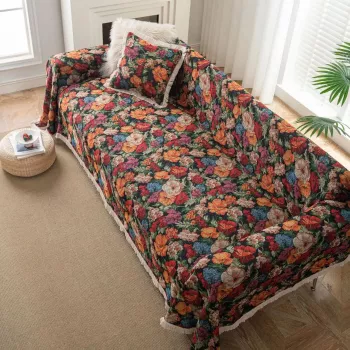
A sofa cover can do more than hide wear—it can reset the entire feel of a room. The Jacquard Iris Flower Sofa Cover brings a textured, floral look that reads intentional rather than “temporary,” while helping shield upholstery from daily friction, spills, and pet hair. Use the sections below to match the cover to your seating, choose a size, and keep the fabric looking crisp through regular use. For more guidance, see Collections Search | Historic New England.
What Makes a Jacquard Floral Cover Look Elevated
Not all “patterned” covers look the same once they’re actually on a sofa. The difference often comes down to how the fabric is made. Jacquard weaving forms the design directly in the weave, creating a raised pattern that looks woven-in (not printed-on) with more depth and a tailored finish. For a quick primer on the technique, see Encyclopaedia Britannica’s definition of jacquard. For further reading, see Works of Art – NCMALearn.
The iris-flower motif plays nicely with classic, cottage, and transitional interiors, and it can soften modern rooms when paired with clean-lined décor. Texture also helps in everyday life: it visually disguises minor wrinkles and everyday lint better than flat, smooth covers. If your seating has mixed cushions or looks slightly mismatched, a patterned cover can unify everything into one consistent surface.
Where This Cover Helps Most (And When to Skip It)
This style of cover shines in high-touch homes—kids’ snack time, pet lounging, frequent guests, or short-term rentals—where a fast refresh matters. It’s also an easy seasonal swap: a lighter floral look for spring and summer without committing to a new sofa.
Functionally, it helps protect against abrasion on armrests and seat centers, the zones that usually show wear first. That said, it’s worth reconsidering if your sofa has unusual geometry: extra-wide rolled arms, attached pillow backs with deep channels, or heavy tufting can cause fabric to bunch in ways that look less polished.
Fit, Coverage, and Measuring Before Ordering
A great-looking cover starts with a quick measuring routine. Measure seating width (arm to arm), seat depth, and back height, and note whether cushions are removable. Next, decide the look: full coverage for maximum protection, or partial coverage if you want original upholstery (like arms or a skirt) to remain visible.
Quick Measuring Checklist and Fit Tips
| Area to Measure | How to Measure | Why It Matters | Fit Tip |
|---|---|---|---|
| Seat width | Measure across the seating area from outer edge to outer edge | Determines whether the cover spans the full sitting surface | If between sizes, choose the one that allows deeper tucking |
| Seat depth | Front edge of seat to where the back meets the seat | Prevents the front edge from riding up | Add a little extra for plush cushions that compress |
| Back height | From seat seam up to the top of the backrest | Affects whether the cover reaches the top and stays smooth | Tuck excess into the back gap for a tighter profile |
| Arm width/shape | Measure the widest part of each arm | Wide or rounded arms can create tension points | Smooth fabric toward the inside of the arm and tuck along seams |
| Cushion style | Note removable vs. attached cushions | Changes how easily the cover can be anchored | Use tuck-in tools or foam strips in creases to reduce sliding |
Styling Ideas That Make the Pattern Feel Intentional
Balance the floral weave with simple shapes and quiet surfaces: a plain knit throw, a solid rug border, or minimal frames on nearby walls. If the room already has busy patterns (like a heavily patterned rug), keep other textiles calmer—solid curtains or a subtle stripe. Warm lighting also helps: layered light (a table lamp plus overhead) makes the jacquard read softly rather than loudly. If you’re adjusting a ceiling fixture to improve the room’s overall glow, the How to Choose Chandelier by Height and Scale Checklist is a practical reference for proportions.
Care, Cleaning, and Keeping the Cover in Place
Texture is forgiving, but it benefits from simple upkeep. Shake out crumbs and pet hair regularly; a lint roller or upholstery brush keeps the raised pattern crisp. Spot-clean spills promptly so they don’t settle into the woven texture. For general upholstery cleaning guidance and stain strategy, Good Housekeeping has a helpful overview: How to Clean Upholstery.
Buying Checklist: Matching the Cover to Your Household
If you’re coordinating the living room with adjacent dining or open-plan spaces, repeating a gentle floral note elsewhere can make the home feel cohesive—pieces like the 16 Piece Blue Stoneware Dinner Set – Elegant Floral Embossed Plates & Bowls echo a similar elevated, textured feel without looking matchy.
Shop Related Picks
- Jacquard Iris Flower Sofa Cover ($54.51)
- How to Choose Chandelier by Height and Scale Checklist ($4.99)
- 16 Piece Blue Stoneware Dinner Set – Elegant Floral Embossed Plates & Bowls ($322.47)
FAQ
Will a jacquard sofa cover damage leather or delicate upholstery?
Usually it helps protect by adding a barrier, but friction can still occur if grit gets trapped underneath or if moisture is sealed in against leather. Keep the underside clean, avoid covering damp surfaces, and remove the cover occasionally so the upholstery can air out.
How can a sofa cover be kept from sliding when people sit down?
Use deep tucking in the seat and back creases, and add foam tuck strips (or rolled cloth) in gaps to anchor the edges. Choosing the right size also matters—enough extra fabric makes it easier to secure the cover behind cushions.
Is jacquard fabric hard to clean compared to flat fabric?
It can hold lint a bit more than flat fabric, but the texture also disguises minor wrinkles and everyday wear. Regular brushing or lint rolling plus prompt spot-cleaning and gentle laundering (per the care label) keeps it looking fresh.






Leave a comment