Heavy-Duty Ratchet Chain Binder Set: Safe, Tight Loads
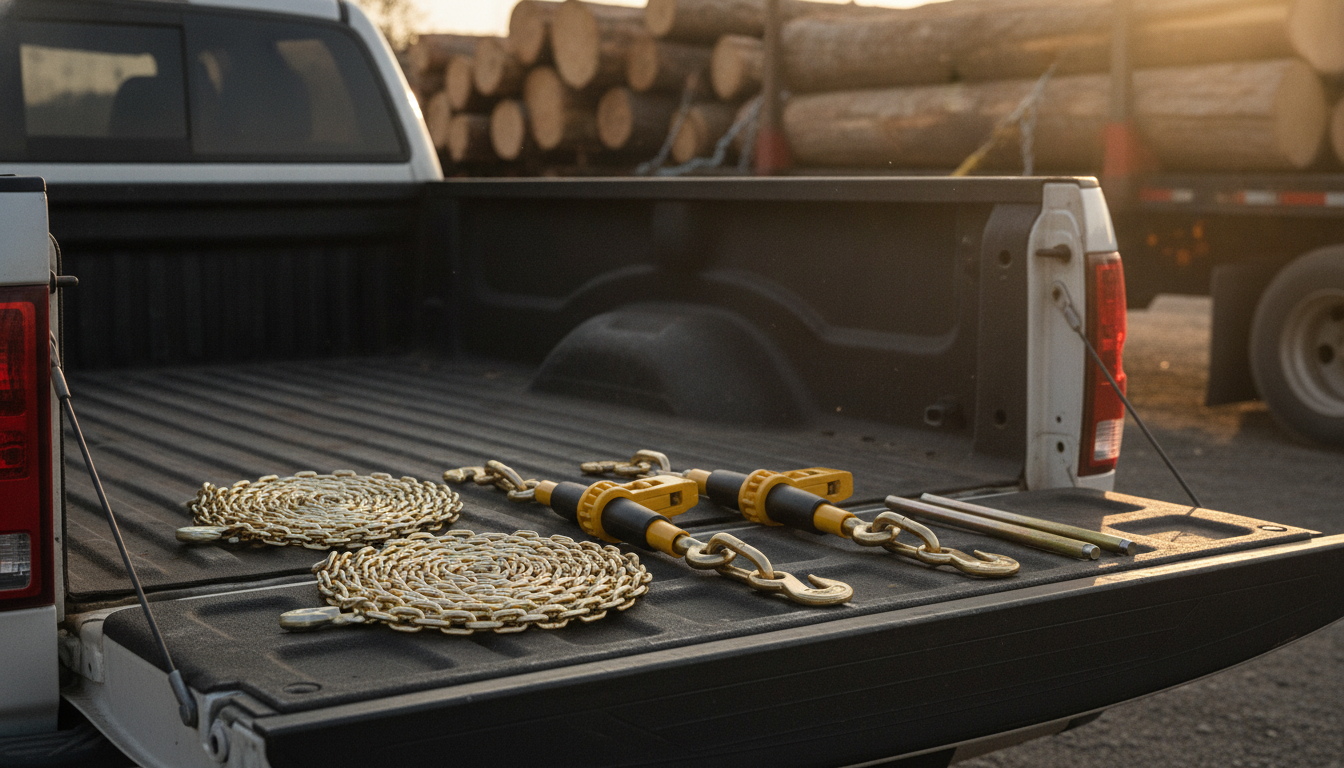
Heavy-Duty Ratchet Chain Binder Set for Reliable Load Securement
A ratchet chain binder set is built for tightening transport chain quickly and consistently while keeping hands and body positioned safely away from snap-back. With a geared ratcheting action, it’s easier to apply steady tension, make small adjustments, and release the load with more control than many over-center styles. Below is a practical guide to choosing the right set, using it safely, and keeping it dependable on demanding jobs.
What a Ratchet Chain Binder Set Does
Ratchet chain binders are tensioning tools designed to pull slack out of transport chain and hold cargo firmly in place. When properly matched to the chain and used with sound tie-down practices, a binder helps prevent shifting that can damage cargo, equipment, trailers, or nearby property.
- Applies controlled tension to transport chain to keep cargo from shifting during hauling or storage.
- Ratchet mechanism increases mechanical advantage without the sudden over-center “kick” common with lever styles.
- Used across flatbed hauling, equipment transport, farm and ranch loads, and industrial yard moves.
- Pairs with appropriately rated transport chain and correct hook style for the load and anchor points.
If you need a dependable setup for frequent securement, consider the Heavy-Duty Ratchet Chain Binder Set for repeatable tightening and controlled release.
What to Check Before Buying
Not all binders and chains work together safely. Before purchasing a set, confirm the rating and geometry match the way you tie down loads in the real world (anchor points, chain angles, and how much slack you typically need to remove).
- Working Load Limit (WLL): confirm the binder and the chain match the same grade and rating requirements for the job.
- Chain compatibility: verify the binder’s take-up range fits the chain length and the tie-down geometry.
- Hook type: grab hooks are common for transport chain; match hook style and latch requirements to the application.
- Handle length and ratchet smoothness: look for a mechanism that allows small, controlled clicks when tightening.
- Corrosion resistance and build quality: coatings and robust welds help in wet, salty, or muddy conditions.
- Quantity needed: count tie-down points and plan for redundancy on irregular or heavy loads.
Quick Compatibility Checklist
| Item to verify | Why it matters | What to confirm |
|---|---|---|
| Binder rating (WLL) | Prevents under-rated securement | Binder WLL meets or exceeds the planned tie-down requirement |
| Chain grade and size | Determines strength and fit | Binder is designed for the chain size/grade being used |
| Take-up range | Ensures the binder can tighten properly | Enough adjustment for the chain length and anchor spacing |
| Hook style and fit | Avoids slipping or point-loading | Hooks seat fully on chain links and anchor points |
| Inspection condition | Reduces failure risk | No cracks, bent components, excessive wear, or damaged threads/gears |
How to Use a Ratchet Chain Binder Safely
Safe use starts before the chain ever goes tight. A binder multiplies force, and that force needs to be managed with correct routing, proper hook engagement, and a body position that keeps you out of the line of pull.
- Start with inspection: check for bent handles, damaged hooks, cracks, missing pins, or ratchet wear; replace questionable components.
- Choose proper chain routing: avoid twists, sharp edges, or side-loading hooks; use edge protection where the chain contacts corners.
- Engage hooks fully: confirm the hook seats correctly on the chain link and anchor point before tensioning.
- Tighten in small increments: alternate between binders when using multiple tie-downs to keep even tension across the load.
- Keep body position safe: stay out of the line of pull and avoid placing hands near pinch points on the ratchet mechanism.
- Secure the handle: once tensioned, ensure the handle is locked/stowed to prevent accidental loosening during transit.
- Re-check after movement: stop shortly after starting a trip to verify tension remains consistent as cargo settles.
For additional regulatory context on securement expectations, review the FMCSA Cargo Securement Rules and consult tie-down rating guidance from the WSTDA.
Ratchet vs. Lever (Over-Center) Binders
Both styles can be effective when correctly rated and used with proper technique, but they feel very different in daily operation.
- Ratchet binders: controlled tightening/loosening with reduced snap-back risk; typically slower but more precise.
- Lever binders: faster to apply but can release forcefully if not handled correctly; requires careful technique and positioning.
- Choosing between them: consider job cadence, operator training, and whether you often need fine tension adjustments during setup.
Where a Heavy-Duty Set Fits Best
If your workflow also includes pressing bearings, straightening, or shop-side fabrication tasks between hauls, the 12-Ton Heavy Duty Hydraulic Shop Press for Garage and Workshop can be a practical companion tool for a well-equipped trailer-and-shop setup.
Care, Storage, and Service Life
For broader workplace handling safety concepts (including managing heavy materials and reducing pinch-point exposure), see OSHA’s overview on materials handling.
Heavy-Duty Ratchet Chain Binder Set: At-a-Glance
FAQ
How many chain binders are needed to secure a load?
It depends on load weight, tie-down points, and the cargo securement rules that apply to the trip. Many setups use at least two binders, then add more tie-downs for longer, heavier, or irregular loads and balance tension across all points.
Can a ratchet chain binder be used with any chain?
No. The binder must match the chain size and grade it’s designed for, or you can lose strength, reduce proper hook engagement, or run out of take-up range before the load is secure.
What should be inspected before each trip?
Inspect hooks, pins, welds, the handle, and the ratchet mechanism for bends, cracks, heavy corrosion, or excessive wear. Also verify chain condition, correct routing (no twists or sharp edge contact), and that the handle is properly locked or stowed.






Leave a comment