Cordless Sonar Robotic Pool Vacuum: Smarter Coverage

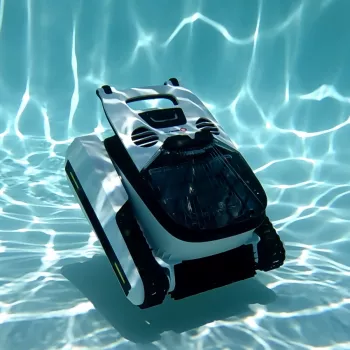
Intelligent Robotic Pool Vacuum Cordless, Long-lasting, with Sonar Path Planning
A cordless robotic pool vacuum with sonar path planning is built for hands-off cleaning without a tethered power cable. Instead of drifting around the pool randomly, sonar-guided models sense boundaries and obstacles and then adjust their route so the cleaner spends more time collecting debris and less time revisiting the same spots. Below is a practical guide to how sonar navigation improves coverage, what “long-lasting” should mean in daily use, and what to confirm so the robot matches your pool’s shape, surface, and typical debris load.
If you’re shopping now, start with the Intelligent Robotic Pool Vacuum Cordless, Long-lasting, with Sonar Path Planning. For poolside hosting upgrades that pair well with a cleaner, consider the 16 Piece Blue Stoneware Dinner Set – Elegant Floral Embossed Plates & Bowls and, for garage maintenance projects that often come with pool ownership, the 12-Ton Heavy Duty Hydraulic Shop Press for Garage and Workshop.
What Makes Sonar Path Planning Different
Traditional pool robots often rely on simpler navigation patterns that can feel “random.” They may still clean effectively, but they’re more likely to leave occasional patches behind—especially in larger pools or in freeform layouts with multiple curves and features.
- Smarter sensing: Sonar-based sensing helps the robot detect nearby surfaces and adjust movement patterns to reduce missed areas and repeated passes.
- More structured coverage: Many sonar-guided cleaners aim for systematic paths (lanes/rows or defined zones) rather than wandering until the battery runs down.
- Better recovery around obstacles: When the robot encounters steps, curves, drains, or corners, it can recalculate its route instead of getting trapped in short loops.
- More consistent results on big pools: The bigger the floor area, the more noticeable the difference can be between “eventually gets there” navigation and repeatable, organized coverage.
Cordless Convenience and Day-to-Day Handling
The biggest lifestyle change with cordless is simple: no floating cable to manage. That can mean quicker starts, cleaner-looking water during operation, and fewer moments spent untangling or repositioning cord slack.
- Faster setup: Place the robot in the pool, start the cycle, and let it work—without routing a power cord across the deck.
- Safer-feeling logistics: Many households prefer minimizing cords and outdoor electrical considerations. For general pool safety guidance, review the U.S. Consumer Product Safety Commission’s pool and spa safety information at cpsc.gov.
- Easier storage and transport: Cordless units are typically simpler to move between storage and pool, which is helpful for pools far from outlets or for owners who put equipment away after each use.
- Retrieval matters: Most cordless robots are lifted out by a handle after the cycle. Plan to let water drain for a moment (or drain it at the edge) so it’s easier to carry without dripping across the deck.
- Charging routine: Consistent post-clean charging helps keep the robot ready for “quick runs” before guests arrive or after a windy day.
Long-lasting Performance: What to Look For
“Long-lasting” can describe two different things: how long the robot runs per cleaning cycle, and how well it keeps performing over months or seasons of use. Looking at both helps set realistic expectations—especially if your pool gets heavy debris.
Feature-to-benefit guide for a sonar-guided cordless pool robot
| Feature | What it helps with | Best for |
|---|---|---|
| Sonar path planning | More complete coverage with fewer repeated passes | Medium to large pools; pools with complex shapes |
| Cordless design | No cable tangles; easier setup and storage | Homes without convenient power access; quick deployments |
| Sealed onboard filtration | Captures debris before it reaches the pool’s main filter system | Reducing load on pump/filter; frequent swimmers |
| Obstacle detection and rerouting | Less time stuck near steps, drains, or corners | Pools with benches, ledges, or irregular geometry |
| Easy-access filter compartment | Faster rinse-and-repeat maintenance between cycles | High-debris seasons; windy yards |
Pool Compatibility Checks Before Buying
Setup, Cleaning Cycles, and Maintenance Habits
- Before each run: Remove large objects (toys, big branches) so the intake doesn’t jam and the robot can spend the whole cycle cleaning.
- After each run: Rinse the filter/basket. This helps keep suction strong and supports stable navigation on the next cycle.
- Regular checks: Inspect intake ports and moving parts for hair, string, or trapped leaves, especially during high-use weeks.
- Water balance: Keeping chemistry in typical recommended ranges helps protect plastics, seals, and finishes. The CDC’s healthy swimming resources offer practical maintenance basics at cdc.gov.
When This Type of Robot Is the Best Fit
FAQ
Does sonar path planning work in curved or freeform pools?
Yes—sonar sensing can support more systematic coverage and can reroute around obstacles in curved or freeform layouts. Results still depend on physical features like ledges, steps, and tight corners, plus the robot’s traction and clearance.
How often should the filter be cleaned on a cordless robotic pool vacuum?
During heavy debris periods, rinse the filter after each cycle to keep suction strong. In lighter conditions, cleaning every few cycles is often enough, but a clogged filter can reduce pickup and shorten effective runtime.
Is a cordless pool robot safe to use in a pool while people are swimming?
It’s best to run cleaning cycles when the pool is not in use and keep the robot away from swimmers. Follow the manufacturer’s safety instructions for operation, retrieval, and charging.






Leave a comment