At-Home IPL Hair Removal Device Guide: Safety & Results
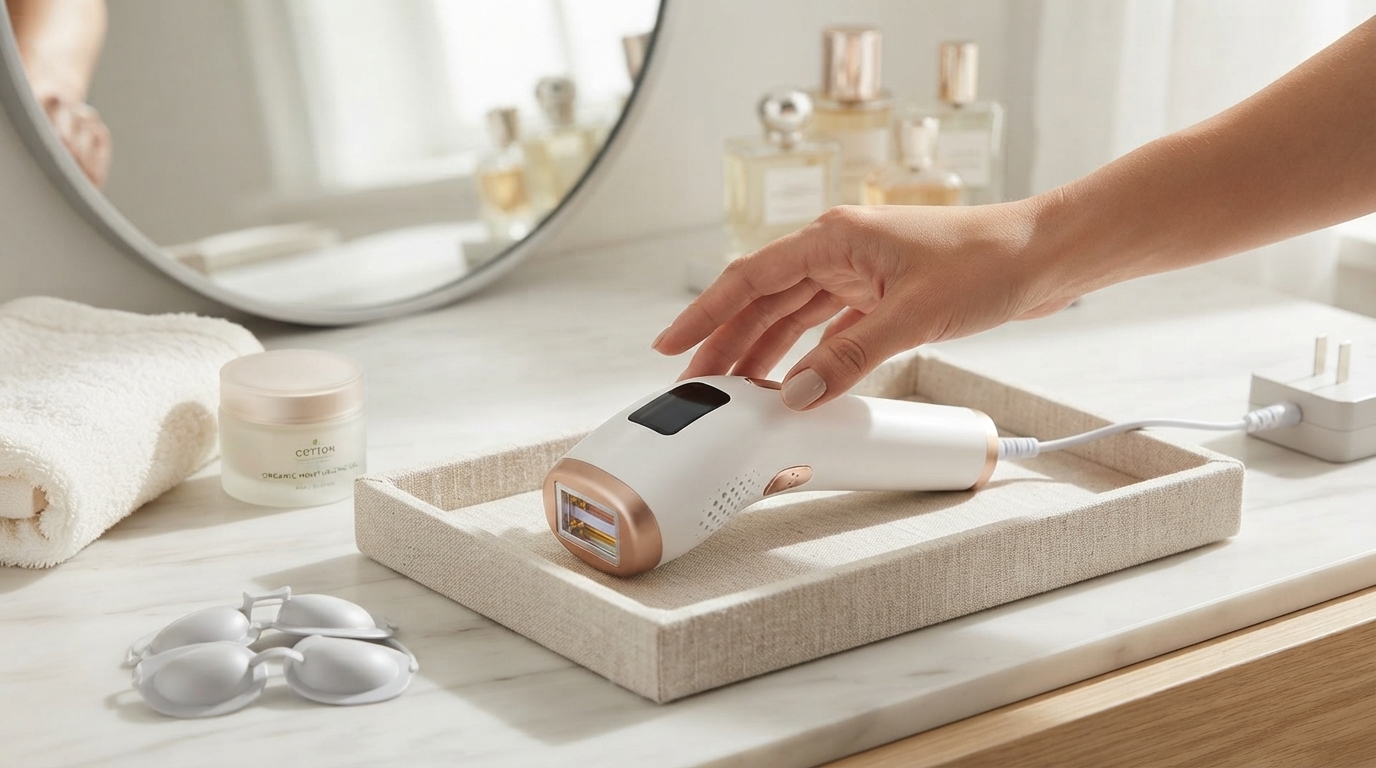
IPL Hair Removal Laser Device: At‑Home Smooth Skin Routine, Safety, and Results
An at-home IPL device can help reduce visible hair growth over time when used consistently and safely. IPL (intense pulsed light) is designed for gradual change—think fewer fast-growing hairs, finer regrowth, and longer stretches of smooth skin with a maintenance routine. Below is a practical guide to how IPL works, what results to expect, who it’s best for, and how to build a safe, repeatable routine. For more guidance, see Best At-Home Laser Hair Removal Devices, Evaluated and Reviewed.
What IPL is and how it reduces hair growth
IPL stands for intense pulsed light. Instead of a single laser wavelength, IPL delivers broad-spectrum light that targets melanin (pigment) in the hair shaft and follicle area. When that light is absorbed, it creates heat that can disrupt the follicle’s ability to produce a thick, fast-growing hair. For further reading, see Laser hair removal – Mayo Clinic.
The key is consistency: hair grows in cycles, and IPL works best when hair is in its active growth phase. Because not all hairs are in that phase at the same time, multiple sessions are needed to catch more follicles at the right moment. Compared with professional in-office laser treatments, at-home IPL devices typically use lower energy, so results are more gradual and require more sessions.
For background on light-based hair removal and safety considerations, see guidance from the U.S. Food & Drug Administration (FDA) on Lasers and Intense Pulsed Light (IPL) and the American Academy of Dermatology Association.
Who tends to see the best results (and who should avoid IPL)
IPL commonly performs best on darker hair against lighter to medium skin tones, because the light is drawn to pigment in the hair. Very light blond, red, gray, or white hair can be harder to treat effectively because there’s less melanin for the light to target.
Skin tone matters for safety. Some devices include built-in sensors and skin-tone guidance; others provide a chart. Deeper skin tones may have a higher risk of burns or discoloration if the device isn’t designed for that range. Always follow your device’s compatibility scale and instructions.
Avoid using IPL over tattoos, very dark moles, or any suspicious lesion. If you have many freckles or moles in the area, follow the manual’s instructions (some recommend covering certain spots). Extra caution is also important if you’re pregnant (unless a clinician clears it) or if you use medications that increase photosensitivity.
| Factor | Good candidate | Use extra caution / avoid |
|---|---|---|
| Hair color | Brown to black | Blond, red, gray/white (limited effect) |
| Skin tone | Light to medium (depending on device scale) | Deep tones if device does not support them |
| Where used | Legs, underarms, bikini line, arms (as allowed) | Tattoos, around eyes, suspicious lesions |
| Medical/meds | No photosensitizing meds; stable skin | Photosensitizing meds, active skin infection, recent tanning |
How to use an at-home IPL device safely (step by step)
A safe routine is less about intensity and more about repeatability. The goal is to stay within your device’s guidance and your skin’s comfort, session after session.
1) Patch test first
Test a small area on a low-to-moderate setting and wait 24 hours. If you notice significant redness, blistering, or lingering irritation, don’t proceed and consult a clinician if needed.
2) Prep the skin (shave; don’t wax)
Shave the area before treatment so the light can target the follicle while minimizing singed surface hair. Avoid waxing or plucking beforehand because IPL needs the hair root present in the follicle to work effectively.
3) Clean and dry completely
4) Choose the right intensity
5) Work in sections without over-flashing
6) Protect your eyes
7) Calm the skin afterward
| Phase | Frequency | What to expect |
|---|---|---|
| Starter phase | 1–2x per week (first 4–8 weeks) | Gradual reduction; patchy regrowth is normal |
| Transition phase | Every 2–4 weeks | Hair becomes finer; fewer fast-growing hairs |
| Maintenance | Every 4–8 weeks as needed | Touch-ups to maintain results |
Results and common misconceptions
Choosing the right settings and treating different body areas
| Area | Typical sensitivity | Helpful tips |
|---|---|---|
| Legs | Low–medium | Move methodically; moisturize after |
| Underarms | Medium–high | Lower intensity; keep skin taut |
| Bikini line | High | Patch test; avoid overlapping flashes |
| Upper lip/chin (if allowed) | High | Use lowest comfortable setting; avoid eye area |
Product spotlight: IPL Hair Removal Laser Device
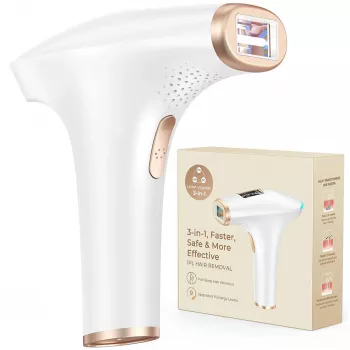
If you want a compact option for routine sessions, the IPL Hair Removal Laser Device is an at-home pick designed for repeated use over time. For best results, pair consistent scheduling with shave-based prep and gentle aftercare to help minimize irritation. Keep expectations realistic: at-home IPL typically takes multiple weeks before changes are noticeable, and maintenance sessions help preserve results.
Care, cleaning, and storage for longer device life
More in-stock finds
- How to Choose Chandelier by Height and Scale Checklist | Chandelier Sizing Guide | Lighting Design Tips | Digital Download
- 16 Piece Blue Stoneware Dinner Set – Elegant Floral Embossed Plates & Bowls
FAQ
Is IPL hair removal permanent?
Many people see long-term hair reduction, but results vary and aren’t always permanent. Because hair cycles and hormones can change over time, touch-up sessions are commonly needed to maintain smoother skin.
Should hair be shaved or waxed before using IPL?
Shaving is typically recommended, while waxing or plucking is usually discouraged before IPL. The follicle target needs to be present for IPL to work effectively, and shaving helps keep the surface smooth while leaving the root in place.
How often should an at-home IPL device be used?
A common approach is weekly or twice-weekly sessions for the first several weeks, then spacing out treatments every few weeks for maintenance. Always follow your specific device manual and adjust based on skin tolerance.







Leave a comment