Retro Pilot Quartz Chronograph Watch: Clear, Reliable Timing
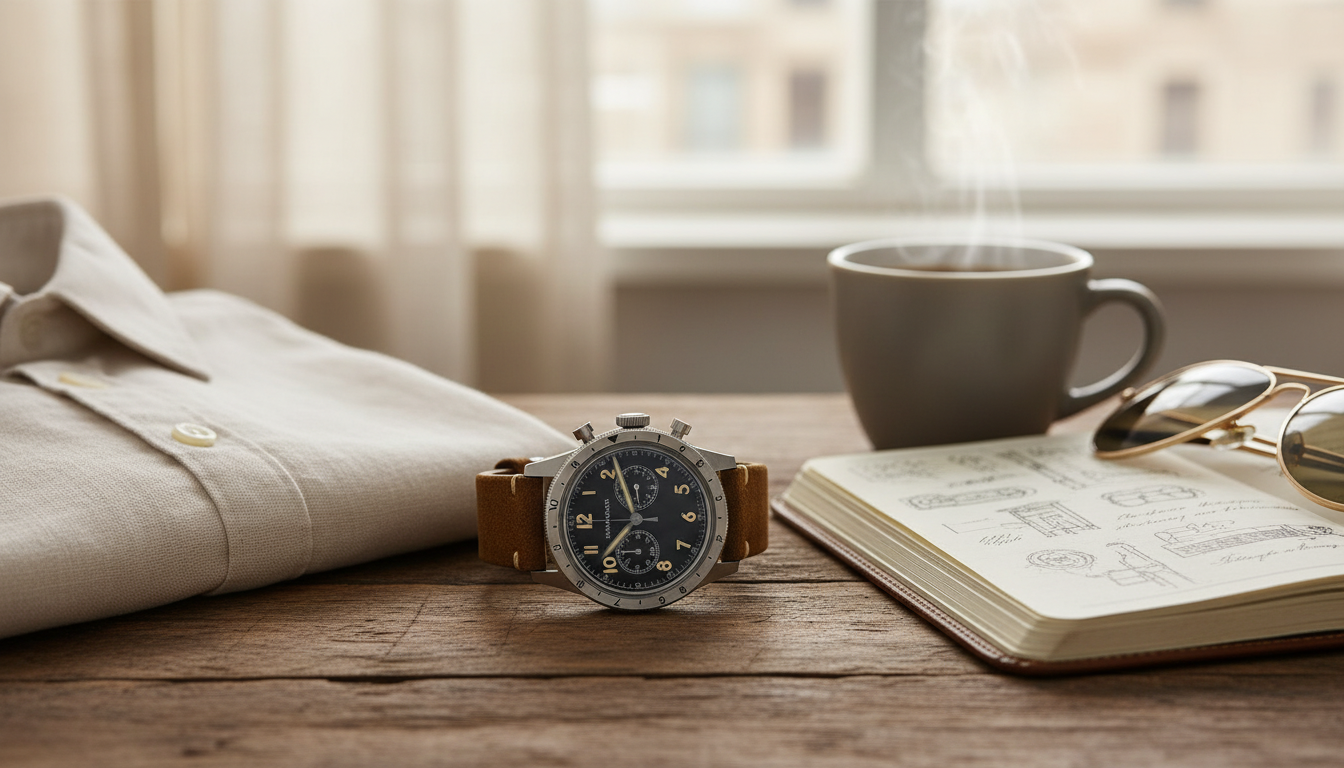
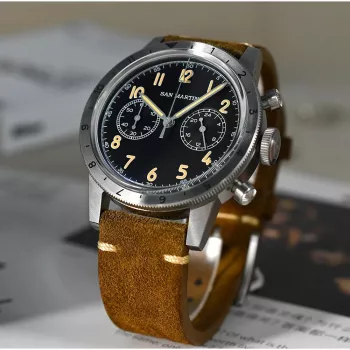
Retro Pilot Chronograph Quartz Watch: Aviation-Inspired Timing with Everyday Reliability
A retro pilot chronograph pairs cockpit-ready styling with practical timing functions for daily wear. This model focuses on clear legibility, push-button stopwatch control, and the set-it-and-go convenience of quartz accuracy—ideal for anyone who likes vintage aviation cues without the maintenance demands of a mechanical chronograph.
What Makes a Retro Pilot Chronograph Feel Authentic
The appeal of a pilot-style chronograph comes down to instant readability and a tool-like presence. A truly aviation-inspired watch leans into high-contrast design so the time and elapsed seconds are easy to catch in motion, outdoors, or during quick checks between tasks.
- Pilot-inspired design cues: a high-contrast dial layout, prominent markers, and an instrument-like look that feels borrowed from cockpit gauges.
- Chronograph pushers and sub-dials: classic stopwatch controls and registers that echo traditional flight-timing tools.
- Balanced proportions: a dial that reads well at a glance, especially under bright light where reflections can cause misreads.
- Retro character with modern consistency: vintage styling doesn’t have to mean fragile or fussy day-to-day wear.
If the goal is an everyday tool watch with throwback personality, the Retro Pilot Chronograph Quartz Watch lands in a sweet spot: it delivers the look of a classic pilot chronograph while leaning on the dependable rhythm of quartz timekeeping.
Quartz Chronograph Benefits for Daily Wear
Quartz has a simple advantage: it’s designed to keep steady time with minimal attention. That reliability is one reason quartz movements are used across precision timekeeping applications, including systems referenced by institutions such as NIST’s Time and Frequency Division. At a consumer level, the result is a watch that’s easy to live with.
- Consistent timekeeping: minimal drift compared with many mechanical watches, especially when worn irregularly.
- Instant stopwatch response: start timing with a pusher press, then stop and reset cleanly when finished.
- Lower upkeep: no winding routine, and service needs are typically less frequent than mechanical chronographs.
- Travel-friendly: practical for busy schedules where accuracy and convenience matter more than ritual.
For a quick refresher on the underlying concept, the Britannica overview of quartz timekeeping explains why quartz oscillation became the backbone of modern “set it and forget it” accuracy.
How to Use the Chronograph: Everyday Timing Ideas
A chronograph is one of the most useful complications for daily life because it turns small moments into measurable intervals—without unlocking a phone. Once the controls become second nature, you’ll find yourself using it more than expected.
- Time commutes and transfers: check how long your morning route really takes, or compare travel options over a week.
- Track parking meters and errands: start timing when you feed the meter, then stop when you return.
- Run presentations and meetings: keep an eye on speaking blocks without looking distracted.
- Workouts and intervals: time rest periods or sets when you don’t want to manage a separate timer.
Most chronographs use the central seconds hand for precise start/stop timing, while sub-dials track elapsed minutes (and sometimes hours) depending on the configuration. For best performance, stop the chronograph before resetting; repeated “reset while running” habits can lead to misalignment over time.
Quick Chronograph Controls Guide
| Control | Action | Tip |
|---|---|---|
| Upper pusher | Start/stop timing | Press firmly and consistently for clean engagement |
| Lower pusher | Reset to zero | Reset after stopping to avoid incomplete reset |
| Crown | Set time/date (if present) | Avoid date changes during late-night hours if the watch has a date mechanism |
Dial Legibility: What to Look For at a Glance
Legibility is the entire point of pilot-inspired design. A dial can be beautiful but still fail as a tool if the minute track is vague, the hands blend into the background, or the sub-dials crowd the center.
- Strong contrast: hands and markers should stand out clearly against the dial background to reduce quick-glance errors.
- Minute track clarity: a crisp outer track helps when using the chronograph seconds hand for precise timing.
- Readable sub-dials: spacing that avoids a cluttered look makes elapsed time easier to parse.
- Lume expectations: helpful in low light, but brightness and duration vary by material and how heavily it’s applied.
When comparing options, prioritize “readability first” details: bold hands, clean indices, and a layout that doesn’t make you hunt for information.
Comfort and Fit: Choosing the Right Wrist Presence
A pilot chronograph often aims for an “instrument” feel, but comfort still decides whether it becomes a daily go-to. Case size and thickness affect how the watch sits, how it balances, and whether it catches on sleeves.
Care and Longevity: Keeping a Quartz Chronograph Running Smoothly
Retro Pilot Chronograph Quartz Watch: Price, Availability, and What’s Included
View details and current availability here: Retro Pilot Chronograph Quartz Watch.
You May Also Like
- 16 Piece Blue Stoneware Dinner Set – Elegant Floral Embossed Plates & Bowls (in stock)
- 12-Ton Heavy Duty Hydraulic Shop Press for Garage and Workshop (in stock)
- How to Choose Chandelier by Height and Scale Checklist | Chandelier Sizing Guide | Lighting Design Tips | Digital Download (in stock)
FAQ
Does a quartz chronograph need regular servicing?
Usually less often than mechanical chronographs. Most upkeep involves battery replacement, periodic gasket checks to maintain water resistance, and an inspection if pushers feel sticky or the hands don’t reset precisely.
Can the chronograph pushers be used underwater?
Only if the watch is explicitly designed for underwater pusher operation. Otherwise, avoid pressing pushers while submerged to reduce the risk of water entering the case.
Why doesn’t the chronograph seconds hand reset exactly to 12?
Minor impacts or calibration drift can cause the hand to land slightly off-center after a reset. Many quartz chronographs support a calibration procedure, or a watchmaker can realign the hand to zero.







Leave a comment