Rose Gold Automatic Watch for Men: Luxury Fit & Care
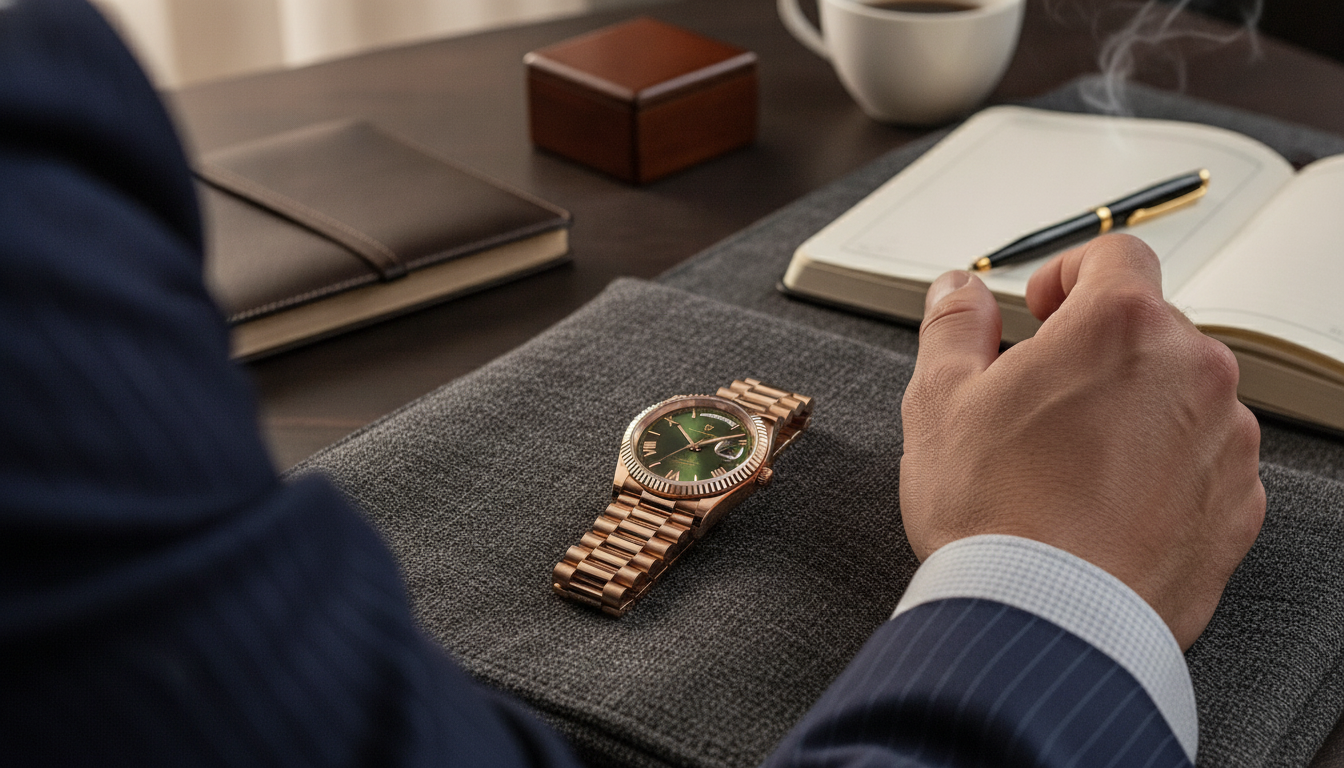
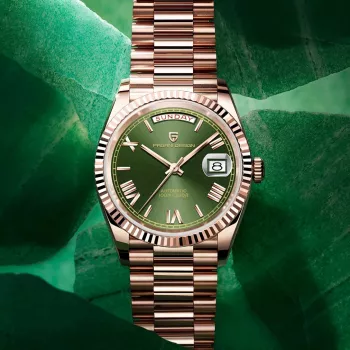
Luxury Rose Gold Automatic Mechanical Watch for Men
A rose gold-tone automatic mechanical watch blends old-world craftsmanship with a modern, confidence-forward finish. Instead of relying on a disposable battery, it’s driven by a mechanical movement that’s designed to be worn, enjoyed, and maintained over the long haul. Below is a practical guide to what makes a rose gold automatic watch feel truly “luxury,” how to spot comfort and durability details that matter day to day, and how to keep a mechanical watch running smoothly for years.
What Makes a Rose Gold Automatic Watch Feel “Luxury”
Luxury isn’t just about a warm metal tone—it’s about how the watch looks up close and how it behaves on the wrist. An automatic mechanical movement brings a traditional character, powered by wrist motion and built around finely interacting components (a helpful overview is available from Encyclopaedia Britannica).
Look for finishing details that elevate the experience: polished case surfaces with clean transitions, crisp dial printing, aligned hour markers, and hands that look intentional rather than generic. Balanced proportions matter just as much as shine—an ideal case size sits centered, while the strap or bracelet lies flat and secure so the watch doesn’t “roll” around the wrist.
Finally, luxury should be livable. A readable dial, a crown that’s easy to operate without digging into the hand, and a caseback that helps shield the movement from dust and moisture all contribute to a watch that feels refined rather than delicate.
Product Snapshot
The Luxury Rose Gold Automatic Mechanical Watch for Men is positioned as a polished, statement-ready option at an approachable price point.
- Model: Luxury Rose Gold Automatic Mechanical Watch for Men
- Price: $154.47 (USD)
- Availability: In stock
- Best for: business-casual outfits, date nights, events, and gifting when a classic metal tone is preferred over steel
- Style note: rose gold-tone pairs especially well with black, navy, charcoal, cream, and earth-tone wardrobes
At-a-Glance Details
| Detail | What to confirm before ordering |
|---|---|
| Movement | Automatic mechanical; check if hand-winding and hacking seconds are supported |
| Case tone | Rose gold-tone finish; confirm preferred shine level (high polish vs brushed accents) |
| Crystal | Confirm material and scratch resistance expectations for daily wear |
| Water resistance | Verify rating and intended use (rain/hand washing vs swimming) |
| Strap/bracelet | Confirm material, clasp type, and adjustability |
| Warranty/returns | Confirm coverage, return window, and conditions for unworn items |
How Automatic Mechanical Watches Work (Without the Jargon)
Automatic watches generate energy through motion. Inside the case, a weighted rotor swings as the wrist moves, winding the mainspring and storing power. That stored energy is released in controlled steps through the escapement, producing the steady ticking sweep that mechanical-watch fans recognize.
The “power reserve” is simply how long the watch can run when it’s not being worn. Depending on the movement and how fully it’s wound, many automatics will run roughly a day or two before stopping. If the watch does stop after sitting, it typically just needs 20–30 minutes of wear to build up charge—or a few gentle manual winds if the movement supports hand-winding.
Fit and Comfort: Getting the Proportions Right
A watch can look amazing in photos and still feel wrong on the wrist. Comfort starts with fit: a secure size prevents sliding, reduces accidental knocks, and keeps the dial centered. If the case drifts toward the underside of the wrist, it’s often a sizing issue rather than a “heavy watch” issue.
Case thickness matters for daily wear. Slimmer profiles tuck under dress shirt cuffs more easily, while thicker cases can read sportier and may catch a cuff edge. Another underrated measurement is lug-to-lug length (the distance from the top lug to the bottom lug). A shorter lug-to-lug often wears better on smaller wrists even if the case diameter seems similar.
For bracelets, confirm the adjustment method. Removable links and micro-adjustments make it easier to dial in the perfect fit—especially if the watch is being purchased as a gift and needs a little tweaking after unboxing.
Durability and Daily Use
Water resistance is one of the most misunderstood specs. It depends on gaskets, crown design, and testing standards, not just marketing language. If water exposure is part of your lifestyle, verify the rating and keep in mind that seals age over time. Hot showers and saunas are particularly rough on gaskets because heat and steam can accelerate wear. For deeper detail on how water-resistance claims are defined, see ISO 22810: Horology — Water-resistant watches.
Setting, Winding, and Keeping It Running Smoothly
For long-term upkeep, periodic servicing keeps lubrication healthy and parts operating as intended. General care guidance is also available through the British Horological Institute.
Style Pairings: When Rose Gold Looks Best
Gift-Ready Add-Ons (In Stock)
- 16 Piece Blue Stoneware Dinner Set – Elegant Floral Embossed Plates & Bowls for housewarmings, weddings, or milestone dinners.
- How to Choose Chandelier by Height and Scale Checklist | Chandelier Sizing Guide | Lighting Design Tips | Digital Download for someone planning a refresh of a dining room or entryway.
FAQ
Do automatic mechanical watches need batteries?
No. Automatic mechanical watches are powered by a mainspring that winds via wrist motion (and sometimes manual winding), so there’s no routine battery replacement like in quartz watches.
How long will it run if it isn’t worn?
It depends on the movement’s power reserve and how fully it was wound. Many automatics run roughly 1–2 days when fully wound, but real-world runtime varies by design and wear habits.
Is it safe to get it wet during daily use?
Check the exact water-resistance rating for the model and match it to your use (rain/hand washing vs swimming). Water resistance isn’t permanent, and hot water or steam can compromise seals over time.






Leave a comment